





































The Project
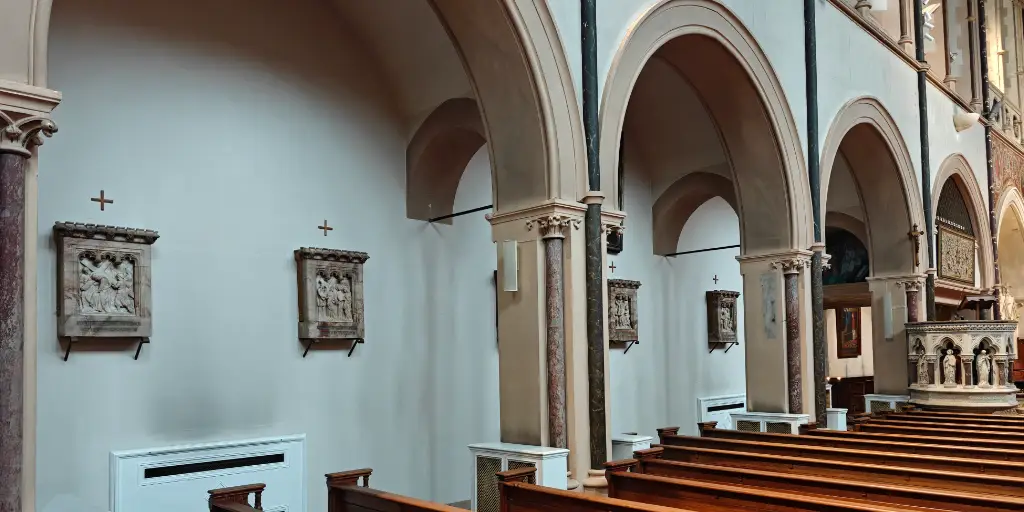
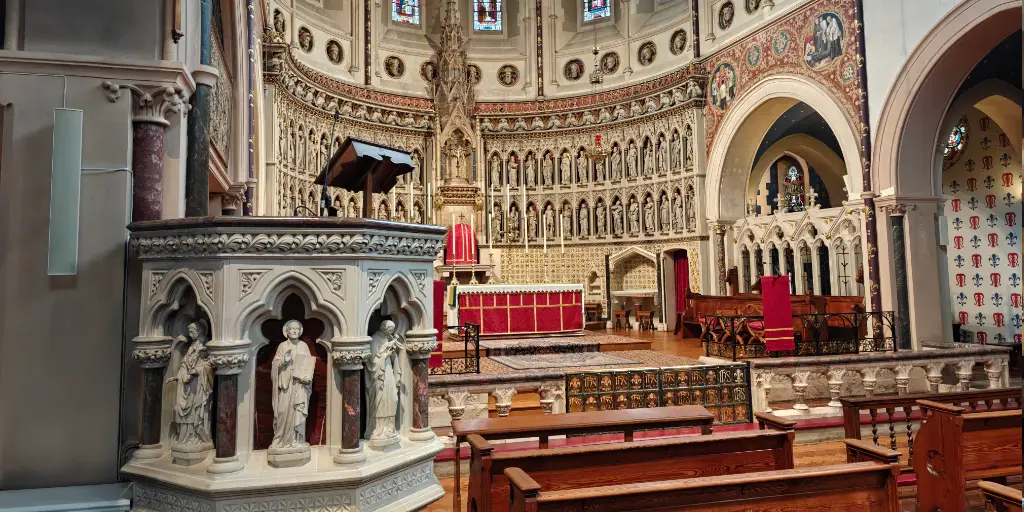
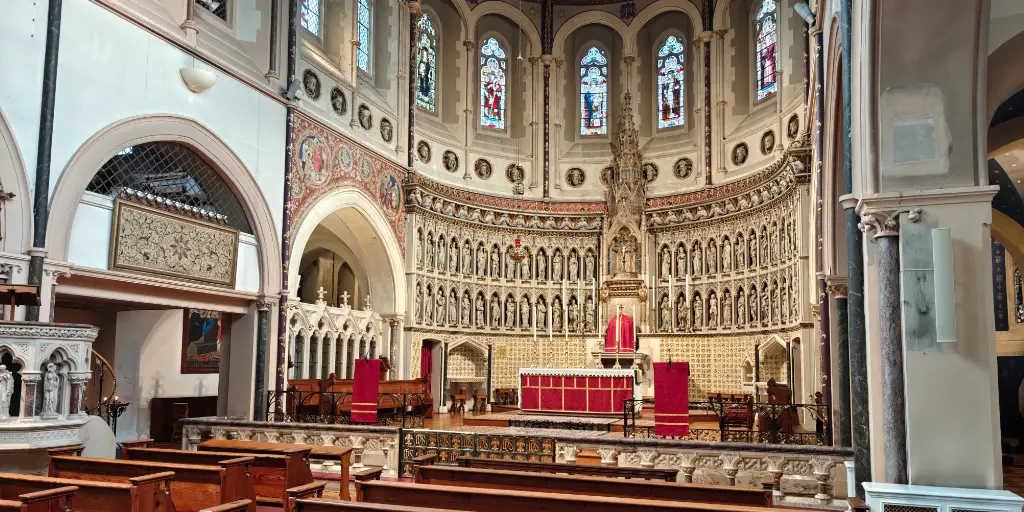
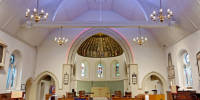
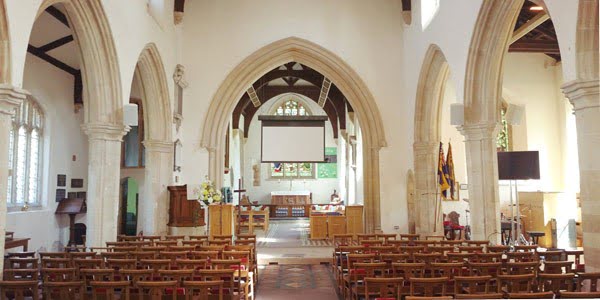
Oxford Oratory Church is a large, architecturally significant building with highly reverberant natural acoustics. While ideal for choral and organ music, these conditions present significant challenges for the clear reinforcement of the spoken word. The project involved a comprehensive upgrade of the existing PA system to improve speech intelligibility, usability, and reliability, while remaining discreet and sympathetic to the church interior.
Challenges
- Extremely reverberant acoustic environment affecting speech clarity
- An ageing analogue 100V PA system with limited processing and optimisation capability
- No provision for microphone optimisation, loudspeaker delay, zoning, or room equalisation
- Lack of modern functionality such as automatic microphone mixing, preset recall, and system protection
- Requirement to retain a simple, user-friendly operation for clergy and volunteers
Key Features
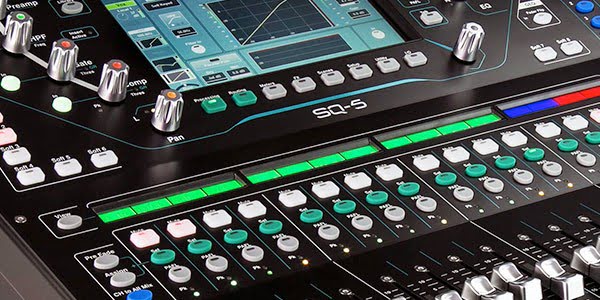
- Modern digital PA platform with automatic microphone mixing, memory recall, and password protection
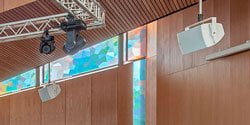
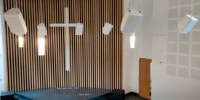
- Passively beam-steered array loudspeakers providing focused coverage and reduced reflections
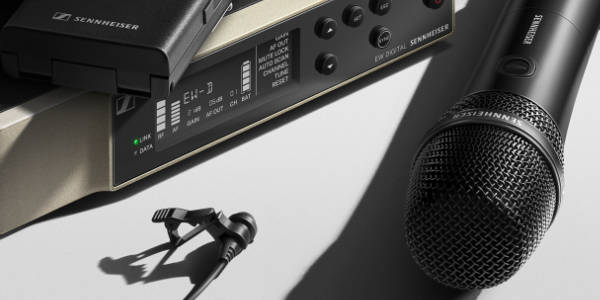
- Upgraded wired and wireless microphones for altar, pulpit, lecterns, and mobile use
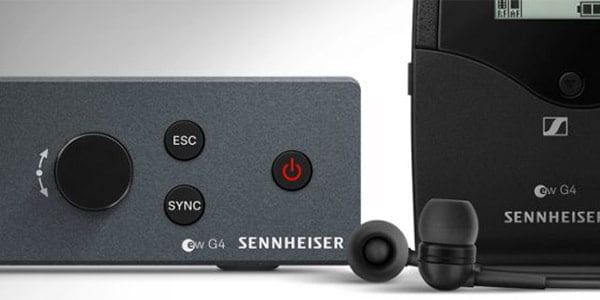
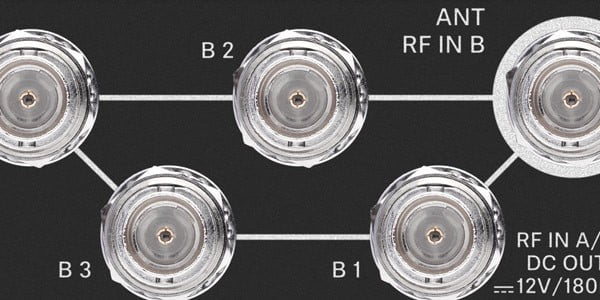
- Remote antenna system with active RF distribution for reliable wireless microphone performance throughout the nave
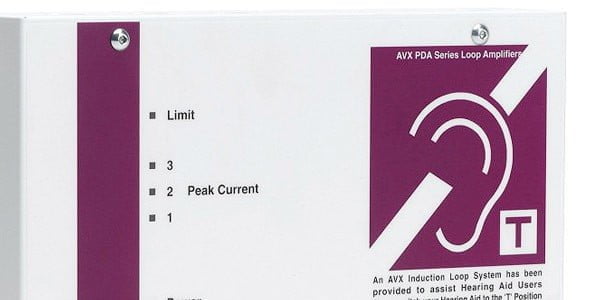
- New induction loop system designed to meet current accessibility standards
- Integrated audio outputs for live streaming and future system expansion
- Secure, professional equipment rack installed in the Sacristy with power sequencing
Solution
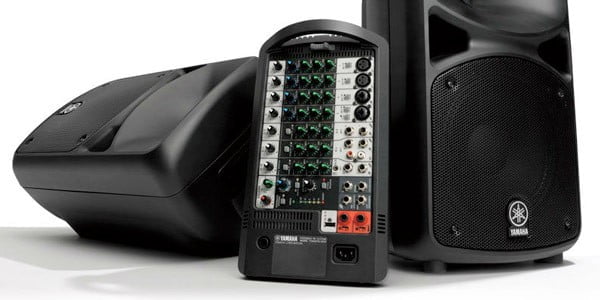
The existing analogue PA system was replaced with a fully integrated digital mixer/processor housed in a new 19” equipment rack within the Sacristy. This provided advanced processing tools to optimise the system for the church’s unique acoustic environment, including automatic speech mic mixing, detailed equalisation, loudspeaker delay, zoning, and protected system presets to prevent accidental changes.
To address reverberation, the loudspeaker system was upgraded to a combination of passively beam-steered array loudspeakers. These were carefully positioned throughout the nave and sanctuary to precisely target the congregation while minimising sound spill onto reflective surfaces. The result is significantly improved clarity without altering the building’s natural acoustics.
All altar, pulpit, and lectern microphones were upgraded to higher-quality cardioid models, with selected lectern microphones capable of wireless operation when required. A new radio microphone system with remote antennas and active distribution ensures reliable coverage across the full length of the church. Audio outputs were also provided for integration with the existing live-streaming system, and a new induction loop amplifier was installed to improve accessibility for hearing aid users.
The completed system delivers clear, intelligible speech, discreetly integrated into the historic fabric of the Oratory, while offering simple day-to-day operation and the flexibility required for larger services and special events.